Requested reference stays traceable
The original brand, complete model or part number, nameplate and supporting photos remain attached to the line item being reviewed.
Send the original model code, nameplate photo or technical drawing. We review the key parameters and provide suitable Chinese sourcing options for your application.
PRODUCT DIRECTORY
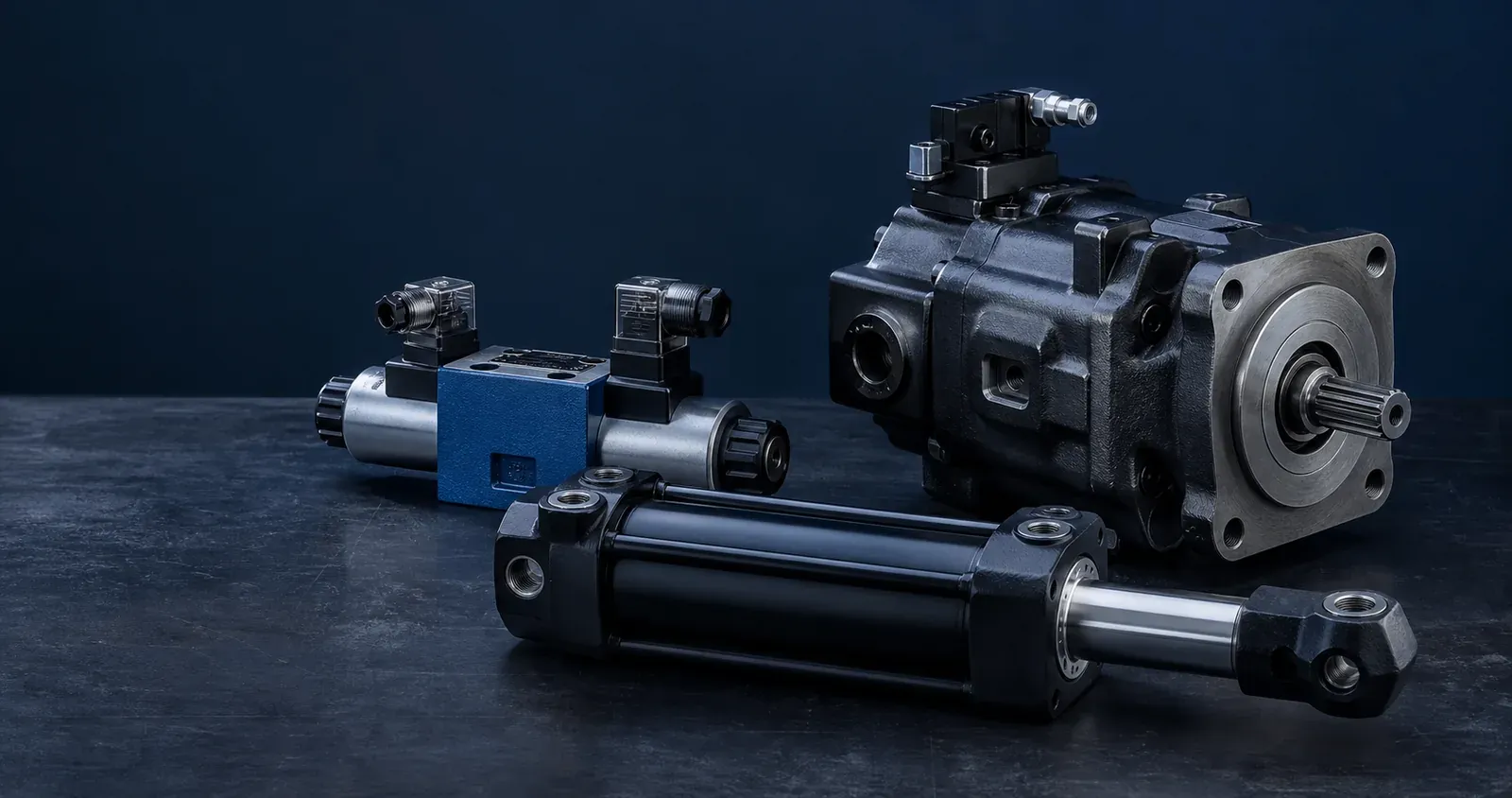
Browse hydraulic valves, pumps, cylinders, motors and repair parts by product family. Each directory explains the configurations, parameters and evidence required before a sourcing option can be compared responsibly.
 01
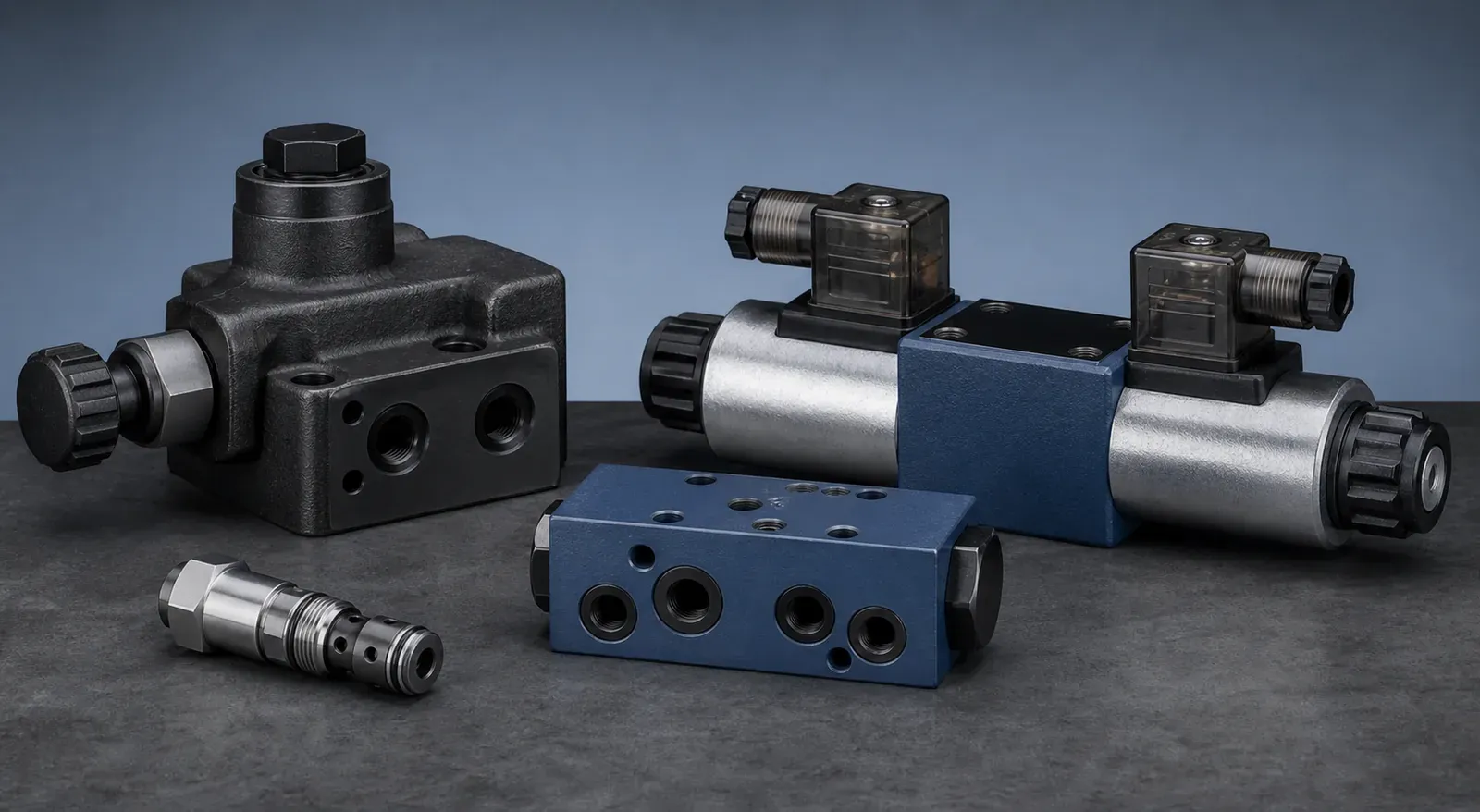
01Directional, pressure, flow, modular, check and selected proportional or servo valve sourcing.
 02
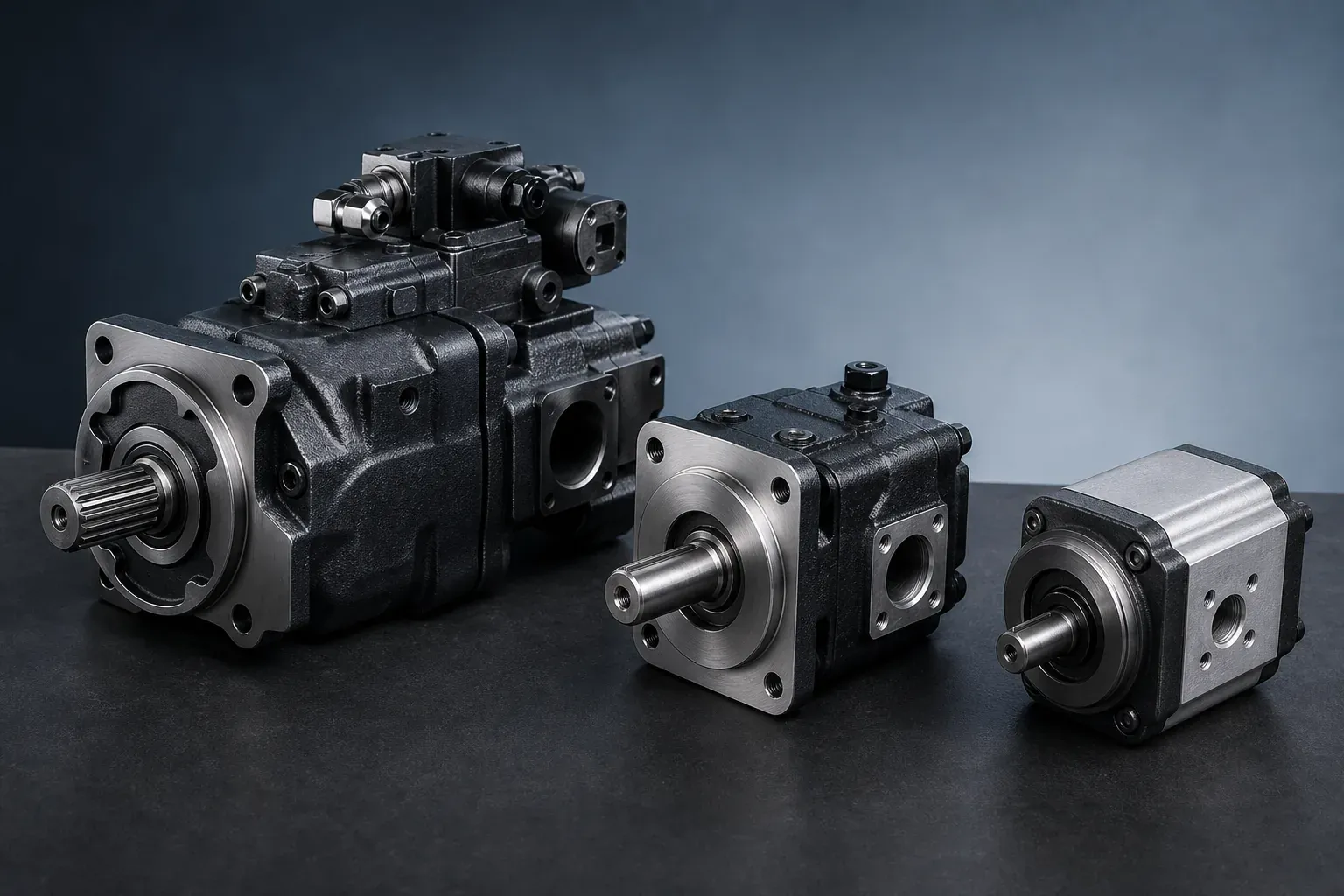
02Axial piston, vane and gear pumps reviewed by complete model code and application.
 03
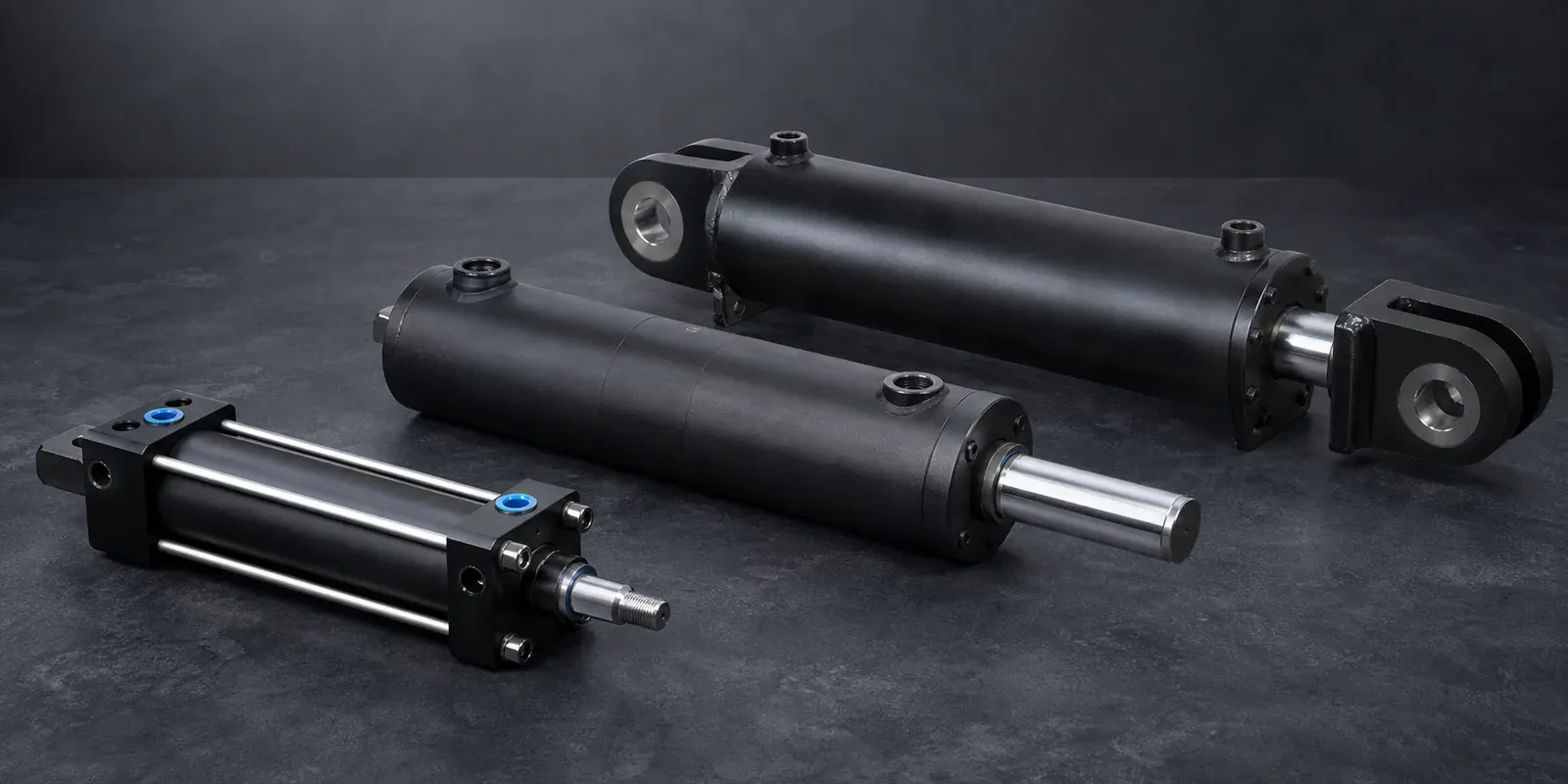
03Standard and custom cylinders developed from drawings, samples and operating data.
04Orbital, piston, radial piston, swing and travel motors reviewed with machine and interface data.
 05
05Seal kits, rotating groups, cartridges and service parts identified from the complete parent-unit code.
Not sure which product family applies? Submit the complete nameplate and clear product, connector, port or shaft-side photos. Category routing is an identification step and does not by itself confirm compatibility.
FROM MODEL CODE TO ORDER
The workflow is designed for distributors, hydraulic repair companies, factory MRO teams and equipment manufacturers that need differences and open checks documented before purchase.
See the detailed matching and quotation processSend the original brand, complete model or part number, quantity and destination, supported by a nameplate, product photos, drawing or datasheet when available.
The review separates the product family and configuration, then compares the hydraulic, electrical, mechanical and application details relevant to that component.
The quotation identifies the proposed model and supply route, compatibility status, known differences, open checks, condition, MOQ, lead-time basis and commercial terms.
The buyer confirms open points and required inspection evidence. Higher-risk or changed models should begin with a sample or first-article review before batch purchasing.
A series name or visual similarity is not enough for a direct-fit decision. The exact configuration and application remain part of the review.
BEFORE PURCHASE APPROVAL
A useful hydraulic replacement quotation should show what was requested, what is being offered, what has been compared and what still requires customer confirmation—not only a price and lead time.
The original brand, complete model or part number, nameplate and supporting photos remain attached to the line item being reviewed.
Hydraulic, electrical and mechanical parameters are compared before an option is labelled confirmed, conditional or still open.
Changes in dimensions, connectors, ports, control behavior, material condition or application limits are not hidden inside a generic equivalent claim.
The quotation records the proposed source and condition together with MOQ, lead-time basis, inspection scope, packing, warranty and Incoterm.
The review records available evidence and open confirmation points. It does not replace machine-level engineering approval, commissioning or safety validation by the equipment owner and qualified personnel.
HYDRAULIC REFERENCE DIRECTORY
Start with one of 17 manufacturer reference groups, narrow the request through 76series-level entries, then use the complete model or material number for technical review.
Industrial and mobile hydraulic valve, pump and motor references reviewed from the complete type code.
Directional, proportional and pressure-control valves plus vane and piston pump references.
Industrial valve, piston pump, vane pump and bent-axis pump or motor references.
Hydrostatic pumps, motors, orbital motors and mobile control valve references.
Vane pump and Gold Cup piston pump references, including legacy configurations.
Excavator pumps, swing motors, axial piston units and Staffa radial piston motor references.
Industrial pumps, directional valves, modular valves and proportional control references.
Browse all 17 manufacturer reference groups and 76 organized series-level entries.
HYDRAULIC APPLICATIONS
The same hydraulic model family can behave differently across industrial machinery, mobile equipment and production systems. We review the component reference together with machine function, operating conditions and installed interfaces.
View all industry application guidanceHydraulic valves, pumps, cylinders and service parts for production equipment, power units and maintenance replacement work.
Main pumps, travel and swing motors, control valves and cylinders reviewed against the machine and operating environment.
Component review for press and forming functions where force, pressure holding, sequencing and cycle behavior matter.
Hydraulic pumps, proportional valves and related components compared for repeatable pressure, flow and response.
An inquiry route for pumps, motors, valves and cylinders used in selected high-load mobile and material-handling equipment.
Structured support for obsolete references, repair parts, mixed-model RFQ lists and repeat replacement purchasing.
Application coverage describes the review context, not automatic interchangeability. Final suitability depends on the exact model, technical evidence and customer approval.
AGREE THE SCOPE BEFORE PURCHASE
Ask for evidence that helps release, receive or install the actual order. The required scope depends on the product, replacement risk, supplier capability and terms recorded in the quotation.
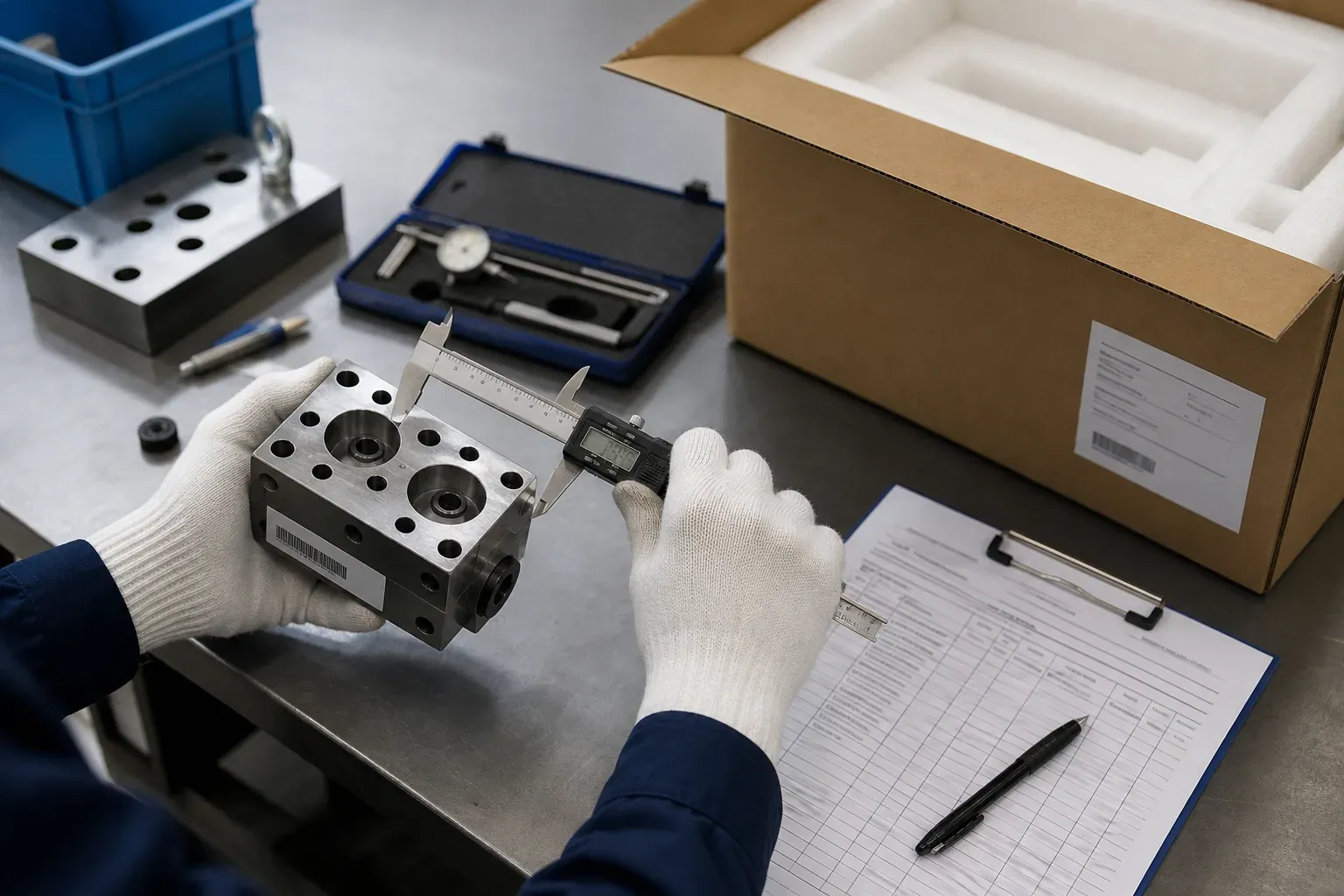
Use the pre-shipment inspection checklistRepresentative process illustration—not inspection evidence for a specific customer order.
Test reports, material documents, certificates or third-party inspection are not assumed. Request them before purchase so availability, method, acceptance criteria, cost and lead-time impact can be confirmed.
Usually not. Products in the same series can differ by displacement, control, rotation, spool function, voltage, shaft, mounting flange, ports, seals and design revision. The complete model code and application must be reviewed.
Why the same series may not interchange →Start with the original brand, complete model or part number, quantity and destination. Add a clear nameplate photo, product and interface photos, machine model, pressure, flow or displacement, voltage and any available drawing or datasheet.
Use the model identification checklist →Yes, when enough identification evidence is available. The review may consider an original source, remanufactured unit, documented aftermarket candidate, repair route or service part. The quotation states which route is proposed and what remains conditional.
See the obsolete-part sourcing process →No. “Aftermarket” describes the supply route, not automatic interchangeability. Function, ratings, interfaces, material condition and application limits must be compared for the exact offered model before direct-fit wording is used.
Compare original and aftermarket routes →A useful quotation identifies the requested reference, proposed model and source, compatibility status, known differences, open confirmation points, condition, MOQ, lead-time basis, inspection scope, packing, warranty and Incoterm.
Review the matching and quotation process →REPLACEMENT COMPARISON SCOPE
A model match is a comparison between the original unit, the proposed option and the actual machine conditions. The applicable fields depend on whether the inquiry is for a pump, valve, motor, cylinder or service part.
We compare the complete code, design series, order number and nameplate—not only the brand or family name.
Working and peak pressure, required flow, pump or motor displacement and operating speed are reviewed together.
Valve spool function, pump control type, compensator settings and the required de-energized or standby behavior must align.
For solenoid and proportional products, we check voltage, current type, connector, coil arrangement and control electronics.
Bolt pattern, flange, shaft, port location, envelope dimensions and rotation are compared against the installed unit.
Fluid type, seal material, ambient and oil temperature, contamination risk, duty cycle and machine environment affect approval.
The quotation should show which fields match, which differ and which still require buyer or supplier confirmation.
Send the original model, nameplate or drawing. We will explain what can be reviewed and which confirmation points are still open.
Technical Guides
See reviewed code groups and required checks.
Estimate flow, power, force and unit conversions.
Structure model, quantity and inspection requirements.
Follow evidence, review actions, outcomes and limits.
Use formulas, units and worked examples.
Check the inlet system before replacing the pump.
Estimate heat and review real flow conditions.
Define order-linked evidence before purchase.