Our technical content is written to help buyers prepare a safer RFQ and review a proposed sourcing route. It is not a substitute for the original manufacturer’s data or qualified system engineering.
Send the original reference: Include the complete model code, quantity, destination and available photos or drawings.
Who creates and reviews the content
Pages are prepared and reviewed under the Hydraulic Match Technical Review label. We use an organization label until a named contributor’s identity and credentials can be published and independently verified.
How technical pages are prepared
- Define the user task and the decision the page must support
- Separate series-level identification from model-level compatibility
- Use engineering formulas with units and stated assumptions
- Request original manufacturer or supplier data for order decisions
- Remove unsupported stock, certification, test and performance claims
- Record publication and substantive update dates on technical guides
Corrections and updates
When a technical error or material ambiguity is identified, the page should be corrected and its modified date updated. Commercial availability and compatibility are confirmed again for every quotation.
Use of generated visuals
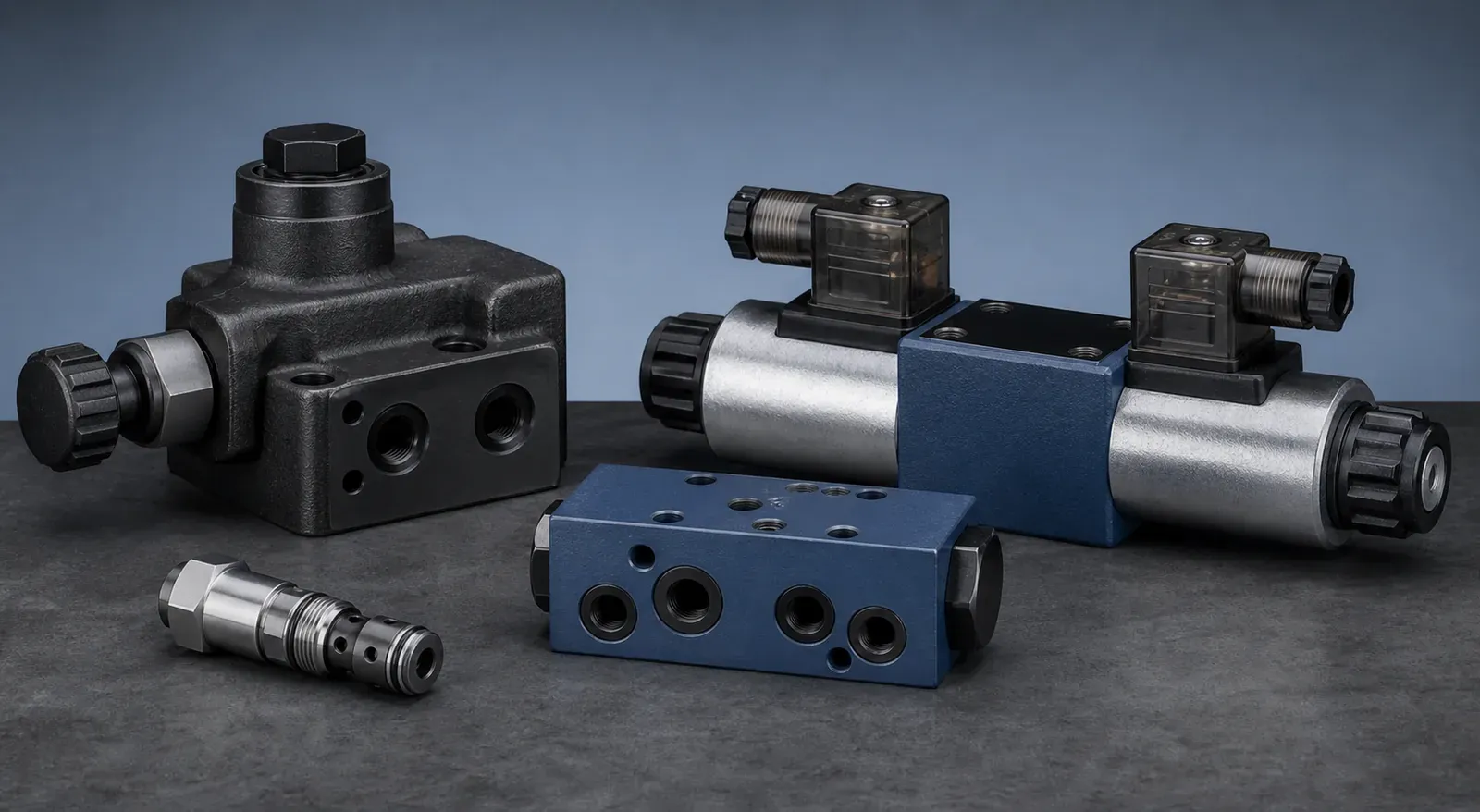
Illustrative images are labeled by context and are not presented as photographs of a specific factory, inspection or customer order. Order evidence must come from the actual supplier and shipment.
Why the content exists
The purpose is to reduce incomplete inquiries, make technical differences visible and help distributors, repair companies and MRO teams decide what evidence is needed before purchase.